Stay Compliant and Ready for Fire Marshal Visits
Routine inspection of commercial kitchen fire suppression systems for restaurants and food service operations in Palestine, Texas.
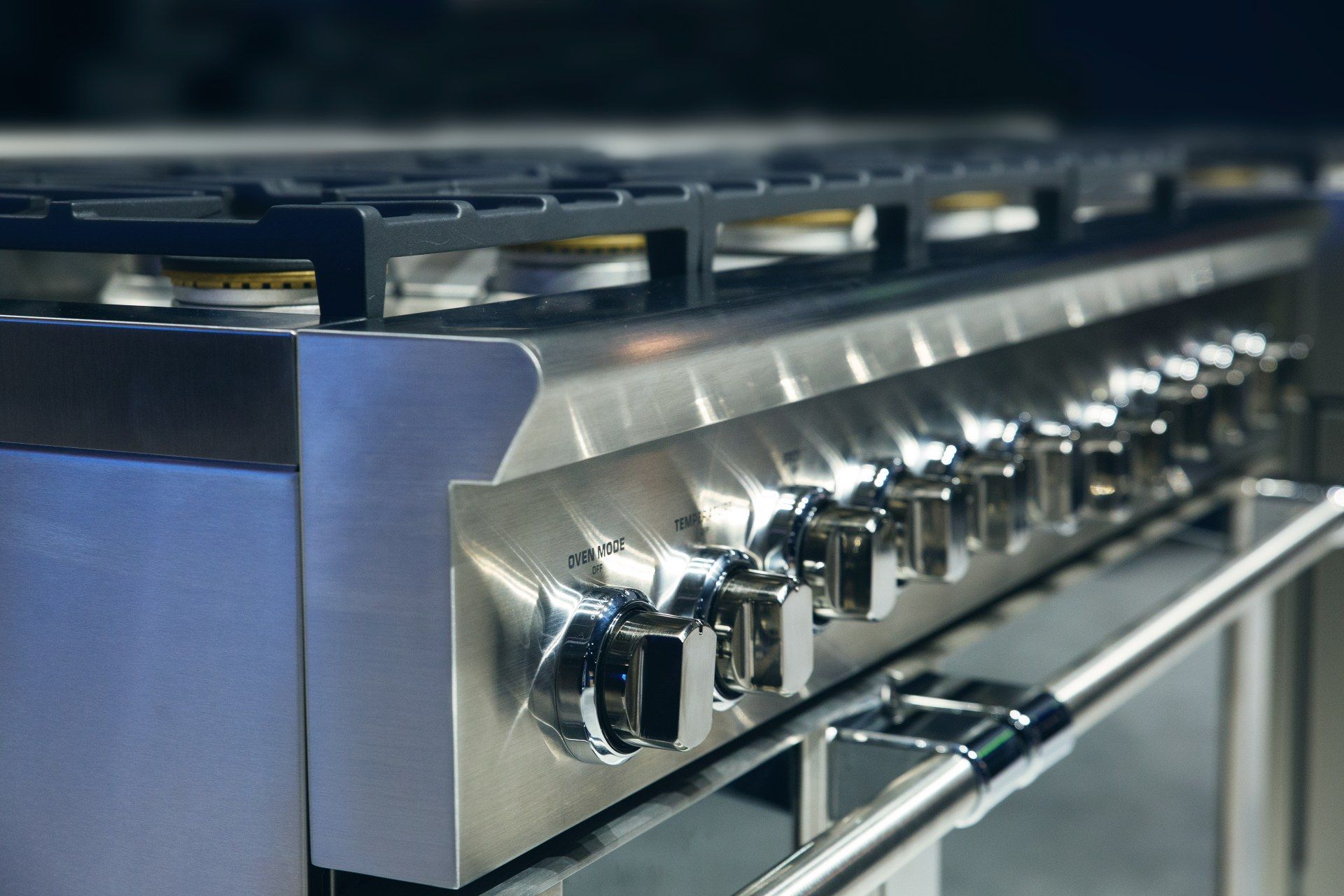
Your commercial kitchen fire suppression system sits above the cook line every shift, exposed to heat, grease vapor, and the constant vibration of hood fans. Over time, nozzles can shift out of alignment, tank pressure can drop, and mechanical linkages that trigger gas shutoffs can corrode or seize. These changes happen gradually and often go unnoticed until a fire marshal inspection flags the system as noncompliant or, worse, the system fails to activate during an actual fire. Routine inspections catch these issues early, confirm that every component is ready to respond, and generate the documentation required by local fire codes and insurance policies throughout Palestine.
Lone Star Fire Suppression LLC performs routine inspections of commercial kitchen fire suppression systems to confirm readiness and code compliance. Inspections are conducted by a former firefighter who understands real-world fire risks and the pressure restaurant environments place on safety equipment. Technicians check tank pressure, test manual pull stations, verify nozzle placement and aim, inspect control panel wiring, and confirm that gas shutoff valves and hood fan interlocks operate correctly. You receive detailed reporting and tagging that satisfies fire marshal and insurance requirements, and any deficiencies are explained clearly with options for repair or adjustment.
Book your inspection in Palestine today to keep your kitchen protected and operational without last-minute compliance surprises.
What Technicians Check During Each Inspection
Technicians arrive at your Palestine kitchen with a checklist that covers every system component required by fire code. They start by visually inspecting the control panel, verifying that indicator lights function and that no error codes are present. Next, they check the chemical tank for proper pressure and weight, confirm that nozzles above each appliance are clean and aimed correctly, and test the manual pull station to ensure it triggers the system without hesitation. Gas shutoff valves are cycled to confirm they close fully, and hood fan interlocks are tested to verify fans stop when the system activates.
After the inspection, you will see updated tags on the control panel and tank showing the current date and inspector signature. Any components that have drifted out of specification are documented in a written report, and you receive clear recommendations for adjustments or repairs needed to restore full compliance. If the system passes without issues, the report confirms that your kitchen suppression equipment is ready for both fire marshal review and actual emergency use.
Inspections do not include recharging empty tanks, replacing worn nozzles, or repairing damaged wiring, though technicians provide cost estimates for any corrective work identified. If your system has not been inspected in over six months or if you recently changed your kitchen layout, an inspection confirms whether additional coverage or reconfiguration is needed. Scheduling inspections before busy seasons or planned fire marshal visits keeps your restaurant running without unexpected downtime or compliance delays.
You Are Not Alone in Managing This
Restaurant owners often ask how often inspections are required, what happens if the system fails a check, and whether inspections disrupt kitchen operations.
Lone Star Fire Suppression LLC schedules inspections throughout Palestine and surrounding East Texas communities with reliable timing and clear communication. Reach out now to book your next inspection and keep your kitchen fire system ready and compliant.